

Why Yellowfin built our own CRM analytics solution
Customer relationship management (CRM) tools are core to every business, but the analytics in them is often frustrating and not up to scratch. This is why Yellowfin built its own CRM.
Like most organizations, Yellowfin has a CRM tool. The data in your CRM should be able to help you understand how you’re selling and how you win. But everyone I speak to is frustrated by the analytics they get from their CRM. We realized very quickly that the reporting in our CRM tool wasn't meeting our needs, so we built our own solution.
Historically, CRMs have provided very little insights and simply tell you where you are today. You can’t go back and look at your pipeline last month, or see what’s really happening inside it. Like many companies, we found ourselves creating a cottage industry of people taking data out, putting it into spreadsheets, and then manipulating it to try and understand what was happening in our business. Now, we've changed that.
To build our solution, we extracted data out of our CRM, combined it with our financial data, and put it into data models that we designed. This meant we no longer need four or five people to extract information and analyze it; we simply automated the process. This provided out-of-the-box reporting for our sales organization with numbers they could trust, and also gave us far better insights into three important aspects of sales reporting.
1. Combined financial data with CRM data
First, as a sales manager, you want to combine your financial data with your CRM data. When you close an opportunity, you want to know if it’s invoiced, and see at a glance how you’re tracking against your budget. Then when looking at your forecast for the next 30 or 90 days, you want to know how many deals are going to close, what value those deals are, and whether or not you’ll hit budget.
2. Pipeline flow
Secondly, you want to really understand your pipeline flow.
- What has changed in your pipeline?
- Is your pipeline growing month to month?
- What's coming out of your pipeline?
- How much do you lose?
- How many deals go up in value?
If you've been tasked to grow your business by, say, 30%, you want to know if there is enough going into your pipeline to achieve your outcomes. This is why having a historical view of your CRM data is so important - because without it, you can’t actually understand the flows within your pipeline. With insights into your pipeline flow, you can also do some simple metrics, like find the average percentage of your pipeline that you win every month. This factors in the length of your sales cycle and your win rate. With this simple metric, you can look at your pipeline every month and know what percentage of your pipeline you’re winning, and that helps you to forecast and drive your business.
3. The key stages of the sales cycle
The third element that you don't get from most CRM data is how deals move through the stages of your sales cycle. When you have no history, you only know where people are today. You don't know how long they were in stage one, stage two or stage three of your sales cycle, and you don't know what percentage of deals you win at each stage.
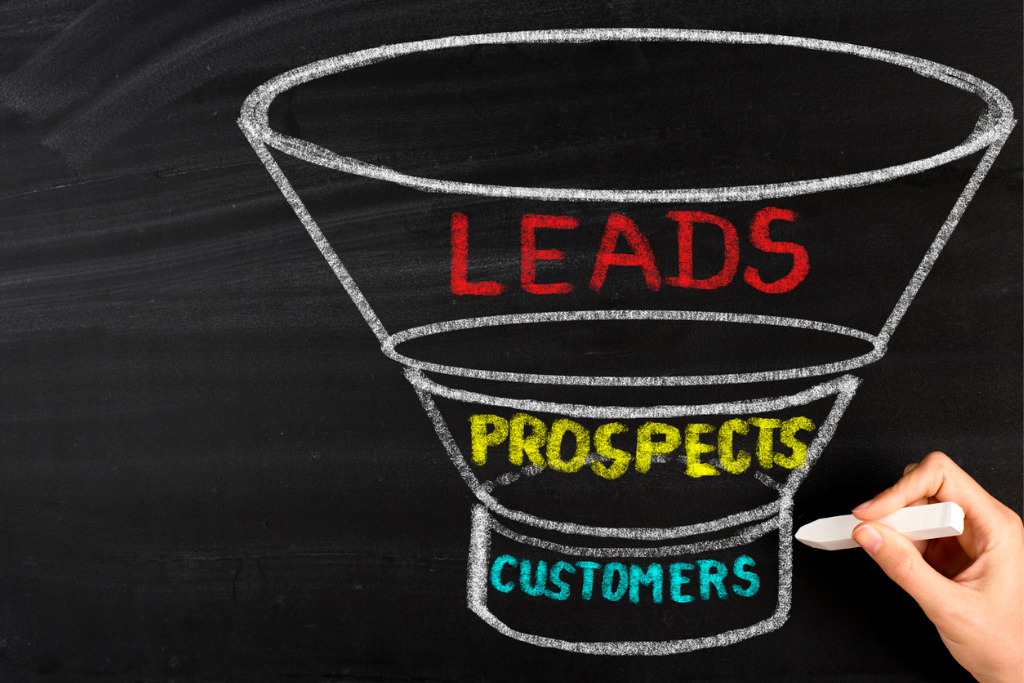
With historical data, you can understand where the bottlenecks are in your sales cycle and where your salespeople spend their time or lose the most deals. By analyzing each stage of your cycle, you can optimize your sales processes significantly.
How our in-built CRM analytics has helped us
For Yellowfin, as an organization, these analytics have been an incredible asset.
The reporting has empowered our managers to talk to the sales organization and have an understanding of exactly where they are in the sales cycle and what their forecast is.
It gives sales managers the ability to optimize their sales processes, because they have visibility into what's changing, when it's changing, and how it's changing.
It's given marketing insights into what they need to create to meet sales targets.
Finally, it helps us as a management team to answer questions for external parties like the board and investors. When they have a question, we can tell them quickly about our sales pipeline, how we're tracking to budget and forecast. It's been an amazing addition to our business, and it's an option for you to consider for your organization.
Read: 3 steps to accelerate product sales virtually
In the age of remote work, everyone sells online, but outselling the (virtual) competition requires following a few key principles. Yellowfin CEO Glen Rabie shares his insights on resonating with buyers in the digital era.