
Top 5 Reasons to Use Contextual Analytics in 2026
Bringing analytics tools closer into your core application with contextual analytics unlocks huge business benefits - many more than you may think.
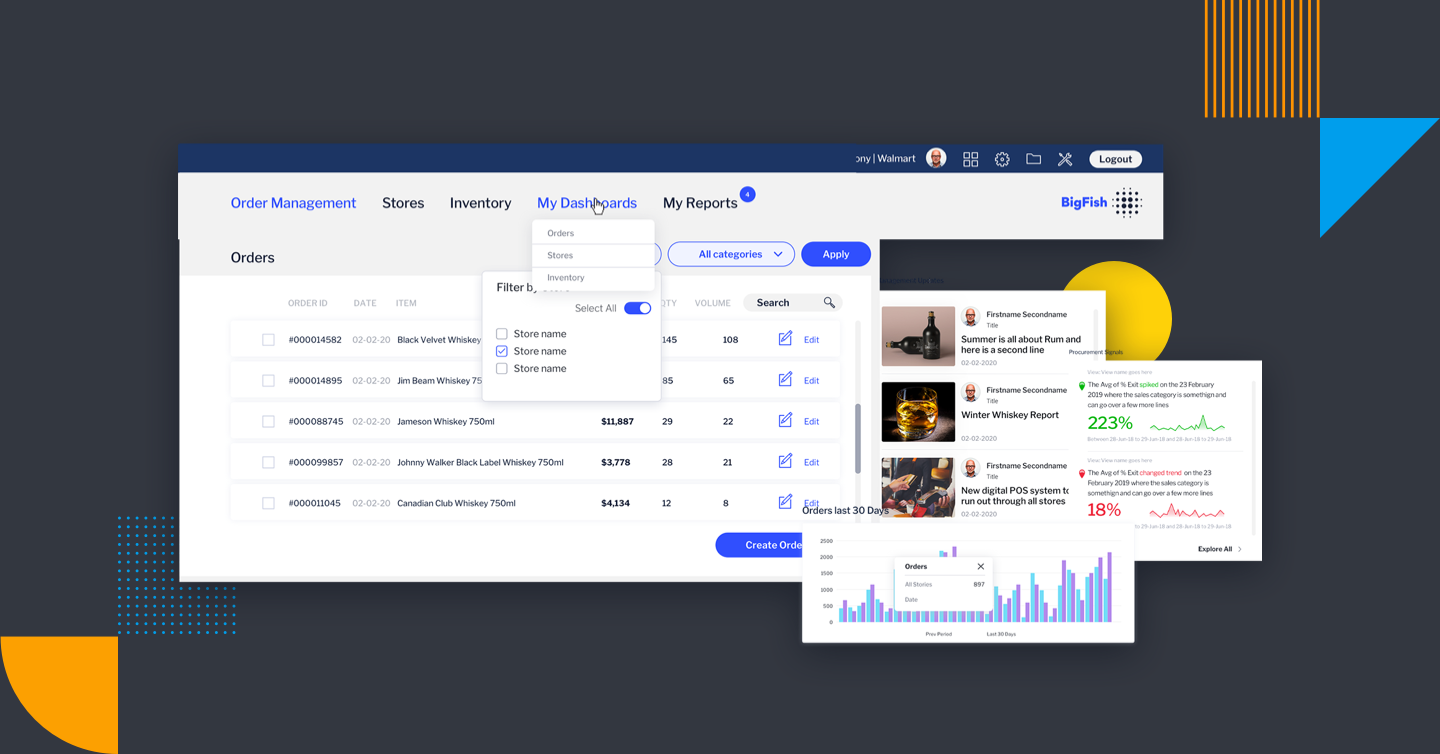
Once, dashboards and reports were limited to being embedded into our apps as standalone modules - essentially, as separately accessed product features. This limitation sometimes meant analytics is forgotten by users, and more often than not, underutilized in its potential. Today, contextual analytics makes it possible to embed analytics directly into the core workflow of your software. This makes powerful analytical tools available at the point of every user’s daily work, while they use your application as normal. Users don’t have to switch away from their transactional environment to find information, because now the data is provided to them upfront. Critically, features like contextual analytics actively guides your users towards deeper insights that are relevant to what they’re doing and need, supporting better decision-making overall. We detail the top 5 reasons to update your software with contextual analytics, to show just how much it can create new avenues of decision-making and analytical value.Reason #1 - It optimizes the user's experience with your software
Contextual analytics enables software vendors to deliver precisely the right amount of information required to support users in their actions and decision-making, while using your application. By merging analytic components and workflows, it optimizes both the analytical experience and user experience of your software, and helps everyone use your application more effectively. How? Because the critical metrics your users need are now made instantly available as they work, they are no longer required to access analytics in a separate tool to view needed data.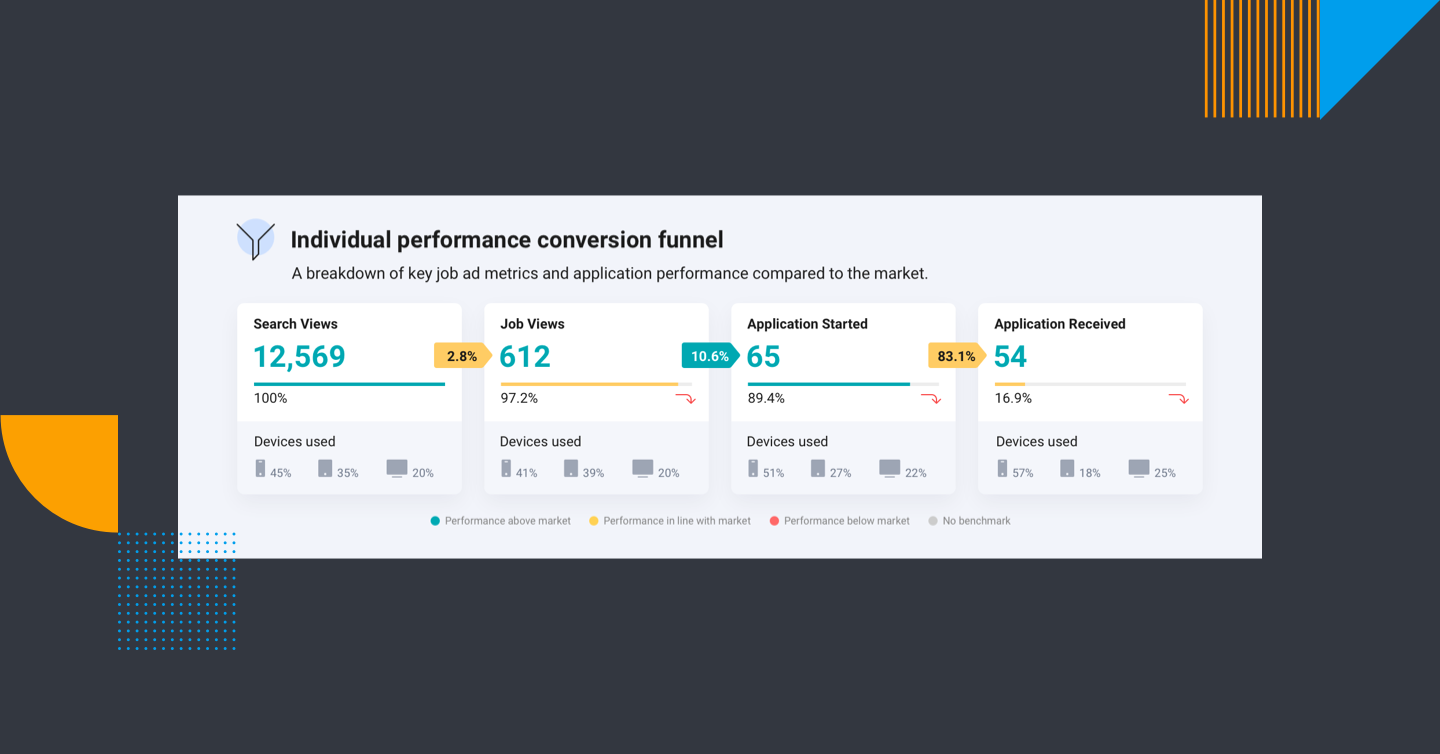 Relevant information is now dynamically delivered to them as they analyze metrics, improving efficiency while reducing previous problems such as data fatigue, human error or losing train of thought.
With additional context now readily available, your application’s analytics can also lead users toward features of your software they may not have known to explore, or originally thought were irrelevant.
Users also have more time to focus on other critical tasks, as the traditional time-consuming process of having to manually scan for changes or trends in their data is reduced significantly.
Finally, contextual analytics reduces extraneous data. The insights delivered are more relevant to what the user wants to do, and actively assists them to make the best decisions possible.
Read more: What is contextual analytics? - A comprehensive explainer
Relevant information is now dynamically delivered to them as they analyze metrics, improving efficiency while reducing previous problems such as data fatigue, human error or losing train of thought.
With additional context now readily available, your application’s analytics can also lead users toward features of your software they may not have known to explore, or originally thought were irrelevant.
Users also have more time to focus on other critical tasks, as the traditional time-consuming process of having to manually scan for changes or trends in their data is reduced significantly.
Finally, contextual analytics reduces extraneous data. The insights delivered are more relevant to what the user wants to do, and actively assists them to make the best decisions possible.
Read more: What is contextual analytics? - A comprehensive explainer
Reason #2 - You deliver highly unique analytical experiences
The dynamic way contextual analytics presents data means your devs can leverage intuitive and unique techniques for delivering insights to users, such as in-line charts that appear when a user examines a certain table record, right through to highly customized embedded dashboards. Much of this is made possible through newer analysis use cases like blended and prescriptive analytics, which have proved key for deeper insight discovery. Both areas were once limited to specialists, but contextual analytics has since made them more user-friendly and accessible.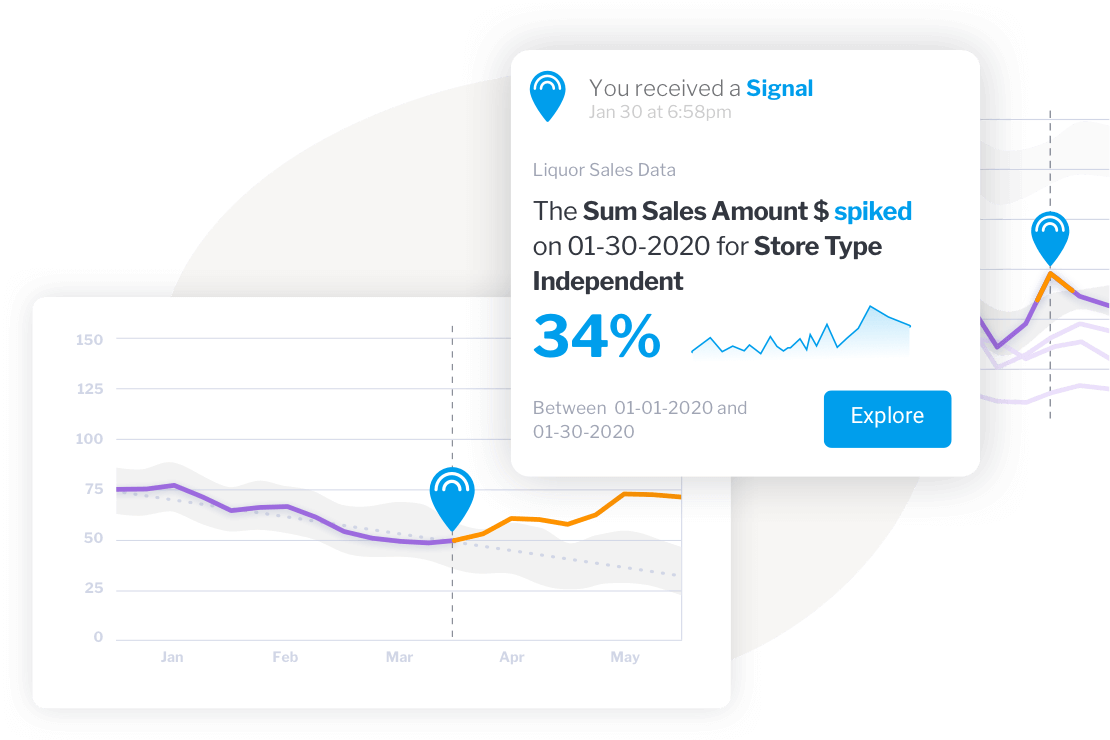 Yellowfin leverages these technologies to provide a variety of unique features for users, such as automated business monitoring (also called automated reporting) and Assisted Insights, which generates helpful AI-assisted explanations and comparisons. Together, your users can be alerted to important changes and anomalies within their transaction flow as they work and can be assisted in understanding what the metrics they’re being presented with means with auto-generated narratives and visualizations that provide further context and nuance.
These kinds of capabilities ultimately make very unique analytical experiences possible for your existing app users, the type they can’t get from using just regular BI tools. More importantly, they are highly differentiated product features that attract more customers.
Yellowfin leverages these technologies to provide a variety of unique features for users, such as automated business monitoring (also called automated reporting) and Assisted Insights, which generates helpful AI-assisted explanations and comparisons. Together, your users can be alerted to important changes and anomalies within their transaction flow as they work and can be assisted in understanding what the metrics they’re being presented with means with auto-generated narratives and visualizations that provide further context and nuance.
These kinds of capabilities ultimately make very unique analytical experiences possible for your existing app users, the type they can’t get from using just regular BI tools. More importantly, they are highly differentiated product features that attract more customers.
Reason #3 - It creates significant competitive advantage for your app
Contextual analytics improves overall customer stickiness with your software product. Having relevant in-context insights automatically generated and delivered to users at the time they interact with your software can build loyalty to your product. How? Contextual analytics offers a better value transaction, as it reduces data fatigue from manual analysis and lessens the need to switch away from the app for more info. By implementing contextual analytics, your software product additionally gains a unique feature and value proposition they likely don’t have, and helps your application quickly stand out from the crowd by giving your users contextualized analytical functions as part of their daily workflow. This type of advanced and convenient capability ensures your customers will consistently come back to use your app over other competing software options.Reason #4 - It's a white-labelled solution with fast speed-to-market
Contextual analytics is often misunderstood as complex or hard to implement, or that its implementation requires a complete overhaul of your software application from the ground up. The truth is contextual analytics is easier for your devlopers to deploy than your developers may think, and is much more accessible today than you may think. As a product feature, it focuses entirely on augmenting - not replacing - your existing analytics capability, meaning your developers don’t actually need to re-engineer anything. White Labelling
Modern analytics solutions that offer contextual analytics, like Yellowfin, make it very easy to deploy contextual analytics into your software and get it to your customers fast, with as little development effort as possible for the newest and best analytics functionality on the market.
The implementation process for contextual analytics has minimal impact on developer teams, so your developers can remain focused on improving the core product experience instead.
White Labelling
Modern analytics solutions that offer contextual analytics, like Yellowfin, make it very easy to deploy contextual analytics into your software and get it to your customers fast, with as little development effort as possible for the newest and best analytics functionality on the market.
The implementation process for contextual analytics has minimal impact on developer teams, so your developers can remain focused on improving the core product experience instead.