
What is AI Analytics?
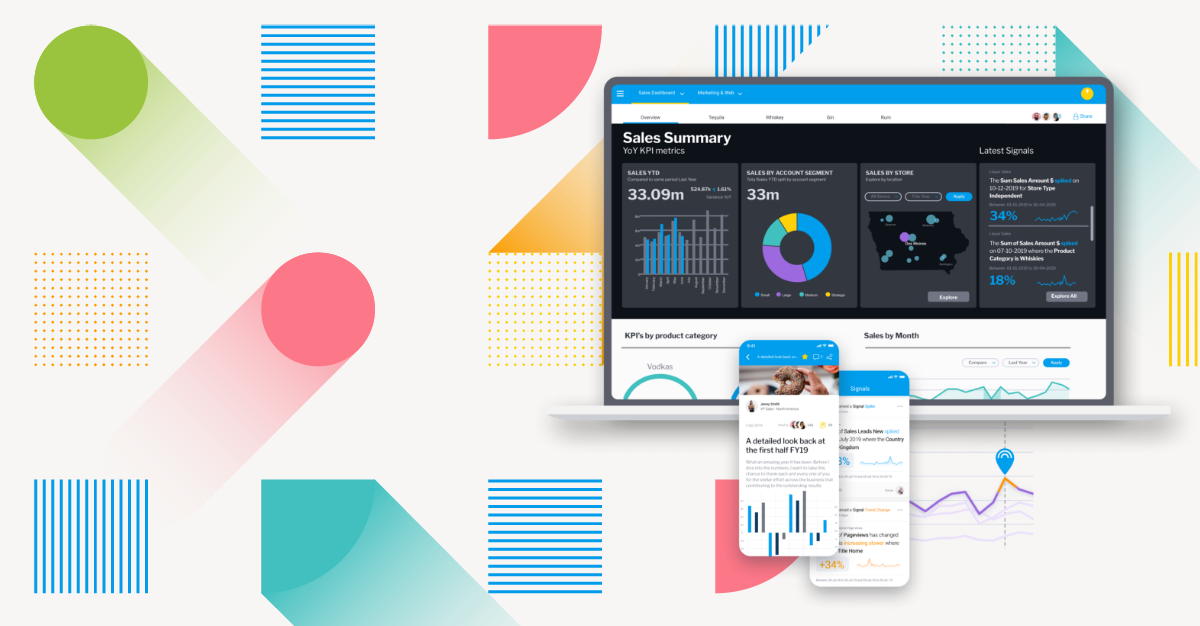
Imagine your software transforming from merely a tool into a strategic partner that can automatically alert your users to trends, provide explanations of data with a click, and help you ask the right questions of your data-sets - in addition to delivering data-led insights.
This is the power of AI analytics solutions for independent software vendors (ISV).
Today's users demand more than just functionality. They crave intelligent software that analyzes data, surfaces insights, and empowers them to act. Yet, traditional analytics often fall short, lacking depth, intuitiveness or guidance needed to truly engage and drive business value. This leaves your existing solution at risk of stagnation and user apathy.
Today, many embedded analytics solutions are disrupting the status quo with unique and sophisticated capabilities that aim to streamline the process of data monitoring and analysis for the average user. For ISVs, it’s crucial to understand what this emergent field of AI analytics brings, and how it can benefit your users' experiences moving forward.
Blog Contents
hide
What is AI analytics?
AI analytics refers to the process of integrating artificial intelligence (AI) technologies, including machine learning (ML) algorithms and deep learning (DL) networks, into business intelligence (BI) solutions to transform how end-users embed, analyze and share their data and insights. The AI analytics approach enables businesses and organizations to better uncover insights, patterns, and trends that might not be visible through traditional, manual analytical methods. For instance, automation is typically integrated into features within analytics platforms to help your end-users continuously monitor performance, detect patterns in their operational data and alert them of significant statistical changes. Machine learning and natural language processing are also commonly leveraged to generate helpful answers to dashboard reports or results in a way that any analytics user, whether they are a line-of-business person or analyst, can use in their analysis workflow. Whatever the use case, AI analytics provides both experts and non-experts with ways to:- Understand what happened
- Learn how it happened
- Evaluate why it happened
- Evaluate what can happen next